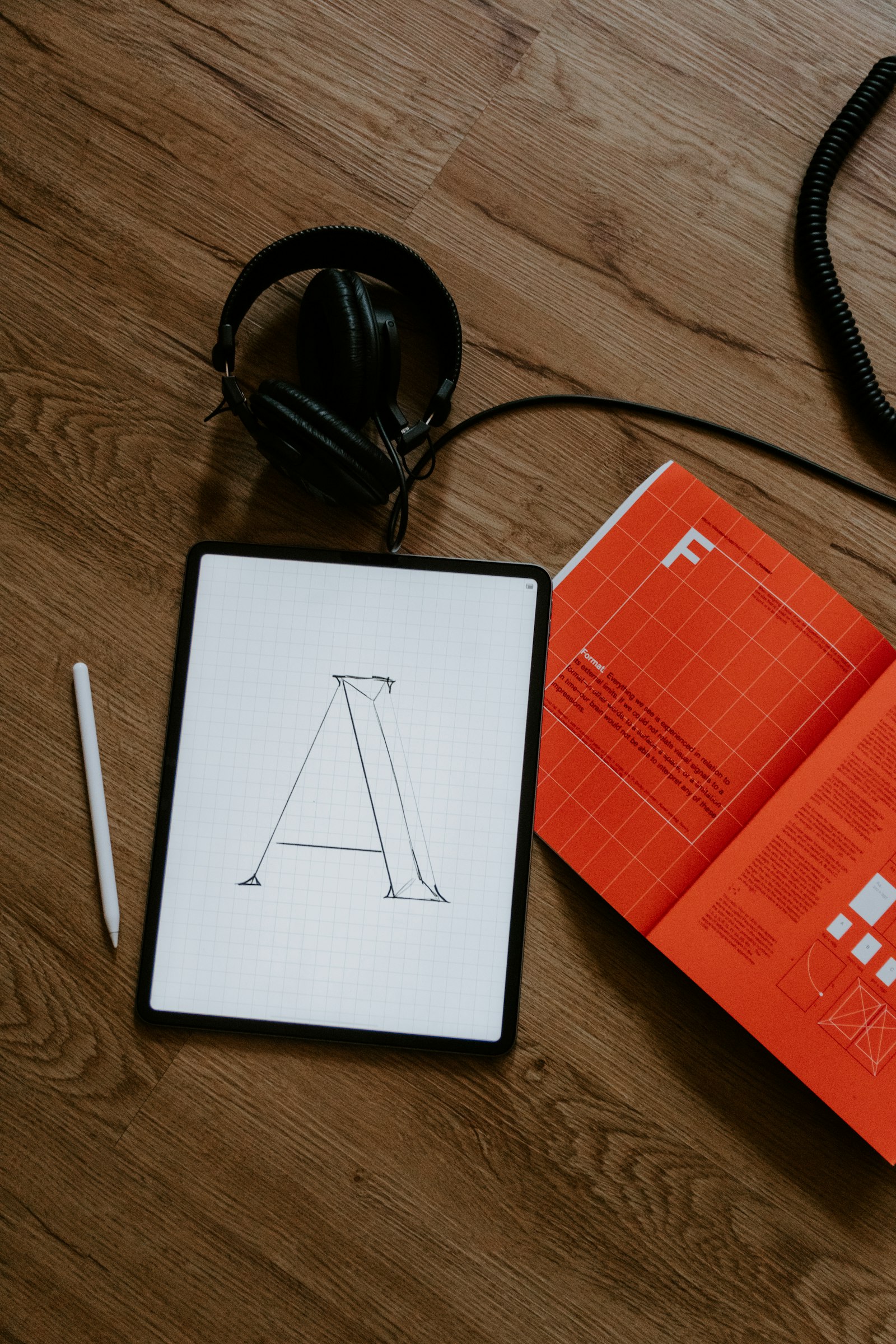
Sharing work in progress and asking for the right feedback

Finished work is easy to post. It is polished, it has been approved, and the hard arguments are over. Work in progress is harder. The kerning is off, the grid is half decided, there is a placeholder where the illustration should be. Posting it feels like inviting people into a room before you have tidied up.
And yet the unfinished stage is where outside eyes help most. Once a design ships, feedback can only change the next one. While it is still moving, a single good comment can save you a week. The trick is to post it in a way that brings the right kind of comment, at the right level of detail, without an apology in every line.
Decide what kind of feedback you actually want
Before you post anything, ask yourself what would help most right now. Feedback comes in roughly four kinds, and they are useful at different stages:
- Direction: is this the right idea at all? Most useful very early, with rough sketches.
- Structure: does the hierarchy, flow or layout work? Useful once the pieces are in place but before details are fixed.
- Detail: spacing, type, colour, the corner radius on that button. Useful late, when the structure is settled.
- Fit: does it suit the audience, the context, the brand? Useful at any stage, if you explain the context.
If you post an early layout without saying which you want, people will usually comment on detail, because detail is what they can see. You will get twelve notes about the line spacing in a section you were about to delete.
Frame the post before the images
Open with a few lines of context, written plainly. A useful frame answers three questions:
- What is this? “A sign system for a small public library, early layout stage.”
- Where is it in the process? “Wayfinding logic is mostly settled. Type and colour are placeholders.”
- What would help? “I am unsure whether the floor numbers should lead or the room names. Which would you look for first?”
That last question does most of the work. A specific question gets specific answers. “Thoughts?” gets whatever people happen to notice.
Say what you are not asking about, too. “Please ignore the colours for now; they are from the old brand” saves readers from spending their attention on something you already know is wrong.
Show the work at the right size and in context
A tiny thumbnail of a whole screen invites vague comments. A close crop of one corner invites nitpicks. Show the work at the size and in the context where it will be used, then add closer views of the part you are asking about.
For a sign system, that might mean a quick mock-up of the sign on a wall photo, then the sign flat, then a detail of the arrow. For an app screen, the screen at phone size beside the same screen in a real flow. People judge design in context, so give them the context.
If you are comparing options, label them clearly (A, B, C) and keep everything else identical between them, so readers are comparing the one thing that changed.
And write a short description of each image. It helps readers who cannot see the pictures, and it forces you to put into words what the image is meant to show, which is often clarifying in itself.
Let rough look rough, without apologising
There is a habit of filling work-in-progress posts with disclaimers: “this is really bad”, “don’t judge”, “I know it’s ugly”. It is understandable, but it costs you. Readers spend their first reaction reassuring you instead of looking at the work, and the apology quietly tells them not to take it seriously.
A plain statement of the stage is enough. “Rough sketch” says everything an apology says, without asking for comfort. If the work is rough, let it be visibly rough: pencil lines, grey boxes, lorem ipsum where it really is placeholder. Rough material that looks rough is easier to comment on than rough material dressed up to look final, because people know which layer they are allowed to question.
Read the comments as information, not a verdict
When feedback arrives, resist answering every comment straight away. Read them all first and look for patterns. If three people independently got lost at the same step, that is information about the design. If one person dislikes the colour, that may be information about the person.
A few habits help:
- Thank people for specific observations, even the ones you disagree with.
- Ask a follow-up question when a comment is vague: “When you say it feels busy, is it the number of items, or the amount of contrast?”
- Do not defend every decision in the thread. Note the comment and decide later, away from the screen.
- If a comment is unkind, you do not owe it a reply. Our community guidelines ask comments to be on-topic and civil, and guest comments are reviewed by moderators before they appear.
We wrote separately about the other side of this exchange, giving critique that is kind and useful. It is worth reading both, because most of us post work and comment on others’ work in the same week.
Close the loop with a follow-up post
The most generous thing you can do after posting work in progress is to post again when the work is further along. Show what changed and say which comments shaped it. “Several of you said you looked for the room name first, so the room names now lead and the floor numbers sit smaller below” tells the people who helped that their time mattered.
A short series of these posts, from first sketch to finished piece, often becomes the best record of a project you will have. It is also most of the raw material for a case study later. Because every writer on RyeType has their own feed, readers who follow you will see each instalment as it comes, and you can add categories or tags so the whole series sits together on your blog.
Posting unfinished work is a habit, and like most habits it gets easier with repetition. Start with a project that is small and low-stakes, ask one clear question, and see what comes back.